Overview
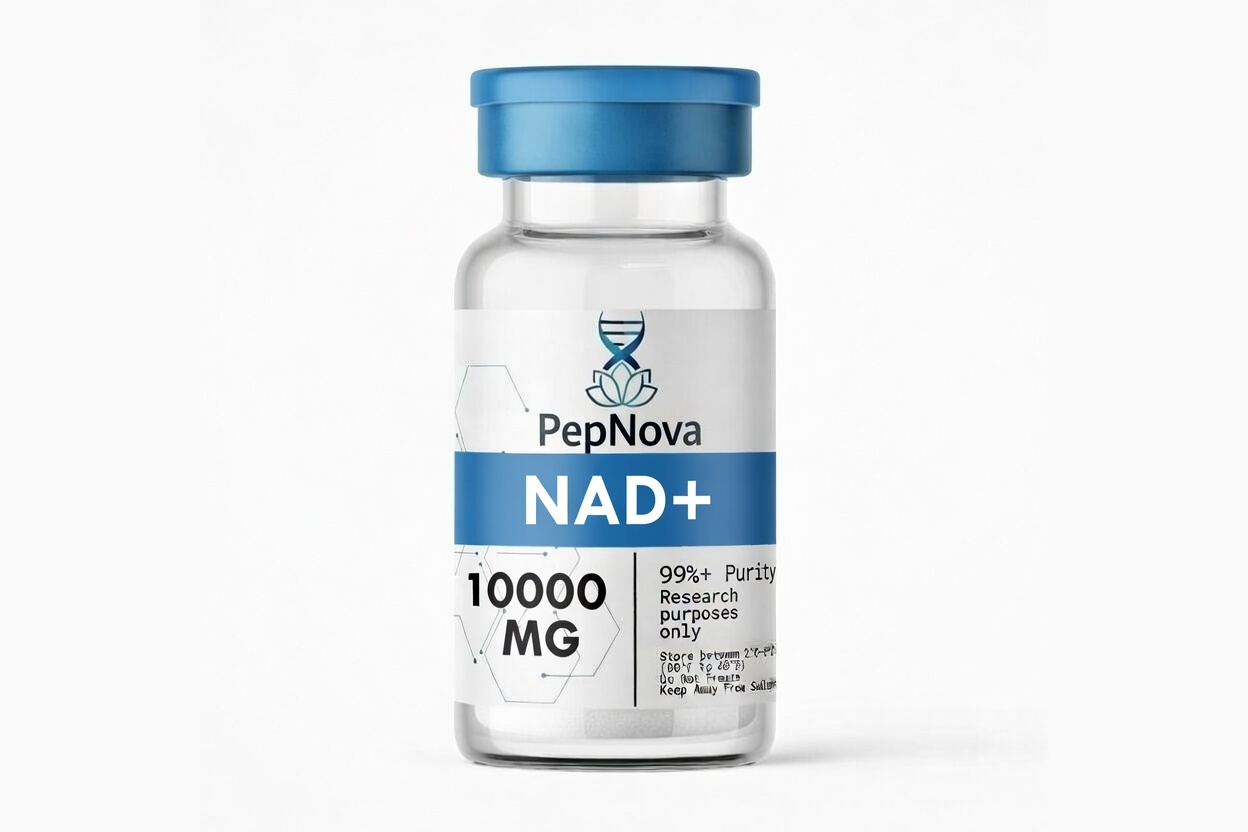
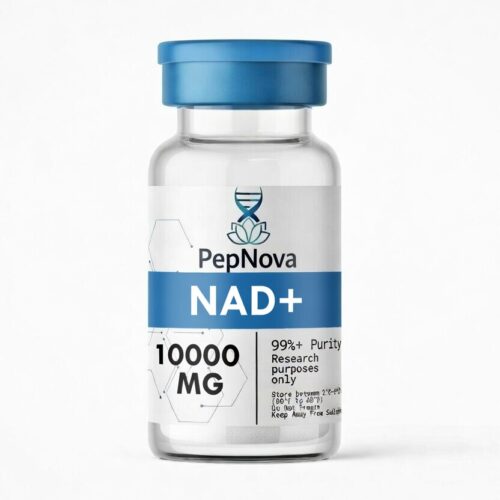
Pepnova NAD+ (Nicotinamide Adenine Dinucleotide) is a premium-grade, essential coenzyme central to hundreds of metabolic processes. This critical redox agent serves as a fundamental research compound for studying cellular energy production, mitochondrial function, DNA repair, and the regulatory pathways of sirtuin enzymes involved in aging and longevity.
Key Features & Benefits
- Central Metabolic Coenzyme: The primary electron carrier in cellular respiration (glycolysis, Krebs cycle, oxidative phosphorylation), making it indispensable for ATP production research.
- Sirtuin Activation Research: Serves as an essential substrate for SIRT1 and other sirtuin deacetylases, enabling studies on gene silencing, stress resistance, and metabolic regulation linked to aging.
- DNA Repair & Genomic Stability: A key substrate for PARP enzymes (Poly-ADP ribose polymerases), facilitating research into DNA damage response and cellular repair mechanisms.
- High-Purity Biochemical Grade: Provided in its oxidized (NAD+) form at ≥ 98% purity (HPLC verified), ensuring reliable and consistent results in enzymatic and cell-based assays.
Primary Research Applications
- Study of mitochondrial bioenergetics, ATP synthesis, and cellular metabolism.
- Research into sirtuin-mediated pathways of aging, calorie restriction, and longevity.
- Investigation of DNA repair mechanisms via PARP enzyme activity.
- Analysis of redox balance, oxidative stress, and cellular signaling.
Product Specifications
- Compound: β-Nicotinamide Adenine Dinucleotide (NAD+)
- Purity: ≥ 98% (HPLC verified)
- Form: Lyophilized powder
- Molecular Formula: C21H27N7O14P2
- Molecular Weight: 663.43 g/mol
- Storage: For long-term stability, store desiccated at or below -20°C. The compound is hygroscopic and sensitive to moisture; keep vial tightly sealed
Important Notice
This product is for laboratory research and in-vitro use only. It is not for human or veterinary consumption, nor is it a dietary supplement. NAD+ is a crucial biochemical for metabolic research and should be handled by trained personnel using appropriate laboratory practices.
Reviews
There are no reviews yet.